
Coming Home to Nature: Healing the Modern Mismatch

It’s no secret that modern life pulls us in directions our ancestors never imagined. We spend most of our waking hours indoors, our hands on keyboards instead of soil, our eyes fixed on glowing screens instead of the horizon. Yet our nervous systems, the same ones that evolved on open savannas and within small, cooperative communities, are still wired for movement, connection, and belonging. Sometimes called the Mismatch Theory: the idea that many of our mental health challenges arise because we live in environments our biology never fully adapted to. We were designed to track changing light, feel wind and warmth on our skin, and rely on a web of close relationships. Instead, our modern world offers artificial light, chronic stress, and social isolation. The result is what we see daily in therapy rooms: anxiety, depression, and burnout that are as much environmental as they are emotional.
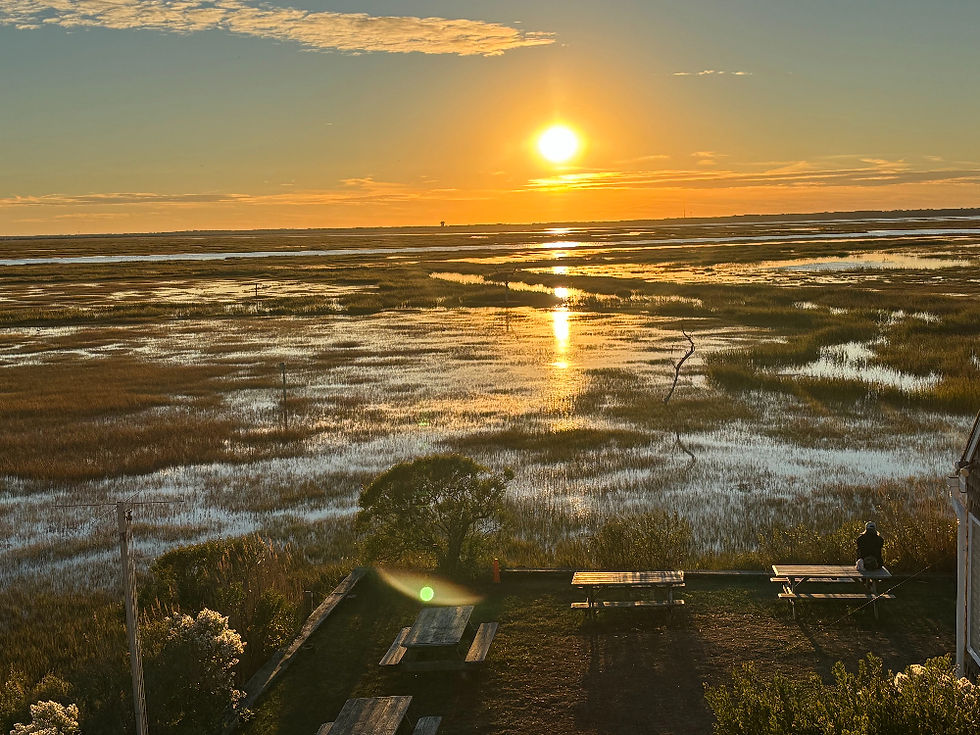
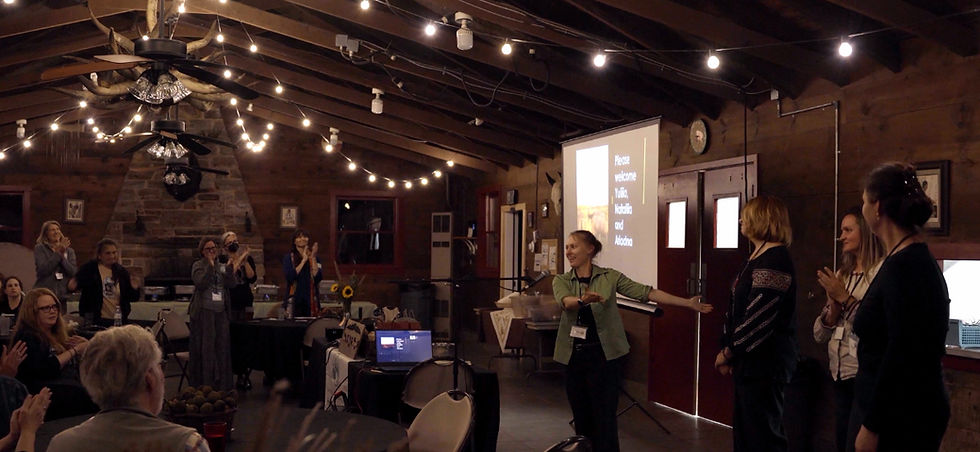
I was reminded of this truth during a recent learning retreat in Stone Harbor, where we led a group of nine people to explore water as a therapeutic force. Something magical happens when people slow down beside the ocean. By the second day, the group began moving together as if in rhythm with the tides, sharing meals, reflections, and laughter. What had started as nine individuals became a small, cooperative community.

As I watched the group form, I realized how deeply rewarding it is to witness community emerge organically—not through structured icebreakers, but through shared awe and the gentle rhythm of nature. Our brains crave this. The surf, the shared breath, the sound of gulls overhead; all of it spoke to an ancient need for connection. Leading that group reminded me that healing often begins not with analysis, but with belonging.
Nature-based and experiential therapies offer ways to realign modern life with ancient needs. We move, breathe, and connect as our ancestors once did. Fire, rhythm, and shared story awaken collective memory. Outdoor rituals like sitting in silence beneath trees or wading into cool ocean water remind us that healing is not an escape from life, but a returning to its natural pace.

The Mismatch Theory gives a compassionate frame for what so many feel: we are not broken; we are simply out of sync. The cure lies not in more speed, control, or perfection, but in remembering what our nervous systems already know how to rest, how to connect, and how to be part of something larger.
As therapists and as humans, our work is to help others find their way back to that belonging. In doing so, we rewild not only the mind, but the heart. And as the days grow shorter, embracing winter becomes an act of evolutionary remembering, a chance to slow our pace, conserve our energy, and rediscover harmony with the rhythms of the natural world that have always sustained us.
What “modern mismatches” do you notice most in yourself?
As winter approaches, what would it look like to embrace rest rather than resist it?


Comments