
Unlock Your Nature Informed Therapy Certification:
Post-Training Mentorship Program
Embark on the final step towards your Nature Informed Therapy (NIT) certification. Designed for mental health professionals and allied disciplines, our post-training mentorship program bridges theory and practice, ensuring you're fully equipped to integrate nature into your working approach.
Pathway to Certification
To receive your NIT certification, you must:
-
Be a licensed mental health professional (non-mental health professionals receive a Practitioner designation)
-
Have completed our comprehensive 3-day in-person NIT training.
-
Successfully complete a 3-month post-training mentorship program, which includes a blend of individual and small peer group consultations.

Program Overview
The CNIT Mentorship Program is designed to help you integrate Nature-Informed Therapy into real-world practice with clarity, confidence, and integrity.
This mentorship supports you in moving from learning concepts to living the work—whether that shows up in clinical sessions, group facilitation, program design, community initiatives, or organizational settings. The intention is not just to deepen knowledge, but to help you apply, refine, and trust your nature-informed way of working.
All participants move through the same mentorship structure and Field Practices. You apply the work in ways that fit your professional context, role, and setting. The learning arc is shared; the expression is flexible.
Through mentorship, participants often gain:
-
Greater confidence in partnering with nature intentionally rather than intuitively
-
Clearer clinical or programmatic decision-making
-
Support translating ideas into feasible, grounded practice
-
Language for articulating nature-informed work to clients, colleagues, and organizations
-
A deeper sense of alignment between values, identity, and professional expression
A Bird’s-Eye View of the Mentorship Experience
The CNIT Mentorship Program includes three core components, all offered online:
1. Field Practices
You will complete four guided Field Practices that move from observation and conceptual thinking into design, application, and integration. Each practice builds on the last and supports both reflection and real-world use of Nature-Informed Therapy.
2. Individual Consultations
You will participate in three individual consultations with a senior-level Nature-Informed Therapy professional. These sessions are tailored to your work and provide space for:
-
Clarifying ideas
-
Exploring challenges or questions
-
Refining clinical or programmatic application
-
Receiving thoughtful, experience-based feedback
3. Small Group Consultations
You will also participate in three 90-minute small group consultations, where mentorship unfolds collectively. These groups are designed to:
-
Support cross-learning across clinical, group, and community contexts
-
Normalize questions and uncertainty
-
Deepen understanding through shared reflection and dialogue.
Book Individual Consultations
Spring 2026 booking links go live April 13

Audrey Costa
Audrey Costa, LAC, NCC, is a Licensed Associate Counselor, National Certified Counselor, and Certified Nature Informed Therapist who integrates clinical therapy, experiential practices, and nature-based approaches to support healing, resilience, and personal growth. With over 20 years of experience spanning education, wellness, and outdoor facilitation, Audrey brings a multidisciplinary perspective to her work with individuals, groups, and organizations.
Nature Informed Clinical Therapy with Women: Delivering trauma-informed counseling for women that integrates somatic awareness, nature connection, and experiential practices to support healing, recovery, and whole-person wellbeing.
Nature Informed Therapy in Both Indoor and Outdoor Settings: Utilizing biophilic design, nature-based metaphors, and experiential interventions that help clients regulate their nervous systems, deepen self-awareness, and reconnect with the natural world.
Experiential Retreats and Therapeutic Adventure Programming: Designing and facilitating women’s backpacking retreats and family nature retreats that combine physical challenge, therapeutic reflection, and community connection to foster resilience, empowerment, and personal growth. Audrey is a Licensed Hiking and Camping Guide and holds Wilderness Advanced First Aid (WAFA) certification, ensuring safety-informed facilitation in outdoor environments.
Program Design, Development, and Implementation: Drawing on extensive experience in public education, nonprofit initiatives, and corporate wellness leadership to design and implement nature-informed programs, workshops, and therapeutic experiences for diverse populations.
Holistic Wellness and Mind–Body Integration: Incorporating Audrey’s background in personal training, health coaching, yoga, mindfulness, and holistic nutrition to support the integration of physical, emotional, and psychological wellbeing.
Nature Informed Psycho-Educational Groups and Professional Training: Developing and delivering workshops, retreats, and professional trainings that highlight the therapeutic benefits of nature connection and experiential learning.
Recovery-Informed and Strength-Based Support: As a Certified Peer Recovery Specialist, Audrey brings a compassionate, strengths-based approach to supporting individuals navigating recovery, personal transformation, and life transitions.
Through her private practice, consulting work, and as founder of Deep Rooted Wellness and Creatives, Audrey creates transformative nature-based experiences that help individuals reconnect with themselves, others, and the healing power of the natural world.
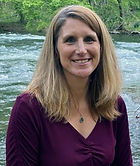
Gina Strauss
Gina Strauss, LCPC and Clinical Supervisor, is an experienced, nature-informed therapist, specializing in:
NIT Therapy in Both Indoor and Urban Environments: Using biophilic design, indoor experiential interventions, and tools based on an urban lifestyle to promote relaxation and help clients connect to the natural world
Nature Informed Psycho-Educational Groups and Speaking Engagements: Developing and delivering educational workshops, group programs, and talks on the therapeutic benefits of nature connection
Metaphor and Meaning Inspired By Nature: Partnering with Nature as a tool for self-reflection and personal insight
Living According to the Seasons: Integrating seasonal rhythms and exploring emotional and psychological growth in alignment with natural cycles
Trauma-Focused Therapy with Women: Utilizing nature-informed practices and experiential methods to foster emotional regulation, self-awareness, and compassionate reconnection with self.

Nathalie Savell
Nathalie Savell is an experienced nature-informed therapist, specializing in:
Nature-Informed Groups & Retreat: Facilitating group therapy sessions where nature is incorporated as a key component of healing and growth. Designing and leading retreats that integrate NIT principles, offering immersive experiences for healing and self-discovery.
Speaking Engagements and NIT Presentations: Sharing knowledge and insights on the benefits of nature in mental health through presentations and workshops.

Renee Vanderstelt
Renee Vanderstelt is a certified Nature-Informed Art Therapist who brings a child-centered focus to her practice, specializing in:
Child & Adolescent Art Therapy: Tailoring nature-based, expressive art interventions to help children and teens process emotions, build self-esteem, and develop healthy coping skills.
Anxiety & Stress Relief: Guiding youth through creative activities—like leaf‐printing and sand mandalas—that harness the calming influence of nature to reduce anxiety and promote emotional regulation.
Grief & Loss Support: Using eco-art therapy prompts (e.g., “Memory Stones” painting and “Story Tree” collages) to help preteens, teens, and their families navigate grief and find comfort in the natural world.
Nature-Informed Group Workshops: Designing and facilitating small-group art experiences in parks or garden settings, where thematic prompts foster peer connection, empathy, and creative exploration.
Developmental & Play-Based Approaches: Integrating art, movement, and storytelling inspired by natural materials (sticks, petals, stones) to engage young clients in meaningful, age-appropriate therapeutic play.
Renee’s blend of art therapy expertise and passion for nature creates a supportive, imaginative environment where children and adolescents can express themselves, heal, and grow.

Tim Ayd
Timothy Ayd is a dedicated Nature-Informed Therapy practitioner and youth group leader, specializing in:
Mental Health First Aid: Certified in MHFA, providing immediate support and intervention techniques for individuals in crisis.
Youth Group Facilitation: Leading nature-based youth programs that foster emotional resilience, social connection, and personal growth.
Trauma & PTSD Recovery: Incorporating outdoor experiences and somatic practices to support trauma survivors in rebuilding safety and trust.
Grief & Loss Support: Guiding individuals through grief with nature-informed exercises that promote healing and meaning-making.
Anxiety Management: Teaching nature-centered coping strategies—mindful walks, breathwork in green spaces, and grounding activities—to help clients challenge and alleviate anxiety.
Body Relaxation & Somatic Awareness: Using natural environments to facilitate physical and emotional relaxation through movement, breath, and sensory engagement.
Tim’s blend of clinical training, youth engagement expertise, and passion for the outdoors equips him to create safe, transformative experiences that strengthen mental well-being across age groups.

Courtney Glickman
Courtney Glickman, PhD, LCPC, RPT, is a group practice owner and professor at The George Washington University, specializing in:
Child Therapy: Providing therapeutic interventions for supporting the emotional and psychological well-being of children and adolescents through nature-based practices.
Play and Expressive Arts Modalities: Gain insight into the connection between nature-based play, expressive arts therapy, and body-based therapeutic methods.
Nature-Informed Group Therapy: Building curriculum and facilitating group therapy sessions where nature is incorporated as a key component of healing and growth for children, adolescents, and adults.
Trauma-informed Therapy: Recognize and emphasize understanding how traumatic experiences impacts a person’s mental, behavioral, emotional, physical, and spiritual well-being and how nature-informed practices can aid in healing and resilience.
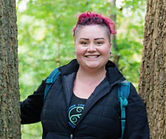
Marie Burgess
Marie Burgess, LCPC, CNIT, NCC is a the owner of a private practice located in Central Maryland. With expertise in trauma, grief, and neurodivergent care, Marie offers innovative approaches that integrate evidence-based practices with the natural world. Marie is passionate about creating inclusive, nature-centered spaces for healing, growth, and community connection. Marie specializes in:
Nature-Based Social-Emotional Learning Workshops and Events: Designing and facilitating interactive experiences for all ages that foster emotional resilience, self-awareness, and interpersonal skills through nature-based activities.
Nature-Informed Play Therapy for Children: Utilizing outdoor play and ecological principles to support children’s emotional growth, self-regulation, and healing in a developmentally appropriate way.
Traumatic & Prolonged Grief: Providing compassionate, nature-integrated support for individuals processing complex and complicated grief, helping them find meaning and connection through nature-based interventions.
Neurodivergent & Gender Affirming Care: Offering affirming, strengths-based approaches that honor the unique experiences of neurodivergent and LGBTQ+ individuals, incorporating nature as a grounding and regulating tool.

Rachel Oppenheimer
Rachel Oppenheimer, LCPC, is an experienced nature-informed therapist, specializing in:
Anxiety Treatment: Providing nature informed therapy interventions to manage anxiety, while increasing present moment living and mindfulness practice.
Nature-Informed Groups & Retreats: Facilitating, designing, and leading nature-informed group therapy such as day long retreats, hiking groups, and backpacking immersive groups.
Body Image & Eating Disorder Recovery: Integrating nature-informed therapy interventions to help maintain eating disorder recovery and strengthen the relationship with the self and body.
NIT Presentations: Presenting and designing presentations that showcase the benefits of nature for mental wellbeing at workshops and conferences.
Mindfulness Integration: Reconnecting with the present moment by integrating mindful practices and the natural world. Incorporating sensory awareness, meditation, and mindfulness in outdoor settings helps deepen a sense of calm, presence, and emotional balance. Rachel is a certified sound healer and has experience integrating the natural world through sound bath experiences.

Tania Lanning
Tania M. Lanning M.S, LCPC, LMT, RYT, NCC is a trauma and nature informed Integrative Wellness Therapist, licensed massage therapist & bodyworker, registered yoga teacher and private practice owner specializing in :
Nature Informed Therapy in Both Indoor and Outdoor Settings: Utilizing biophilic design, nature-based metaphors, and experiential interventions that help clients regulate their nervous systems, deepen self-awareness, and reconnect with the natural world.
Somatic Practices and Mindfulness with Nature: Combining gentle movement, positive neuroplasticity, present-moment awareness, and a structured nature-based process to support inner listening, reflection, and embodied exploration in all circumstances of life and living.
Anxiety & Nervous System Support with Nature: Partnering with nature to regulate the nervous system through nervous system education, languaging and calming practices that include breath, movement, sensory grounding, and co-regulation with natural rhythms.
Grief & Life Transitions: Pain management, Cancer Care and Recovery: Using the grounding presence of nature to support emotional processing, healing, and resilience during experiences of grief, illness, and significant life changes (such as in motherhood or with relationship changes).
Meaning Making, Creativity & Rituals with Nature: Engaging with the natural world as a co-creator in exploring life’s transitions, questions, and celebrations—using ritual, art and creative expression, and symbolic play to foster connection, insight, and transformation.
Nature Informed Group Work, Workshops, Retreats: Facilitating shared experiences and guided walks in nature that foster connection, insight, and growth through themed gatherings, immersive workshops, and retreat settings. Combining gentle movement, present-moment awareness, and a structured nature-based process to support inner listening, reflection, and embodied exploration outdoors and within.
Speaking Engagements and NIT Presentations: Sharing knowledge and insights on the benefits of nature in mental health through presentations and workshops. Trauma-informed Therapy: Recognize and emphasize understanding how traumatic experiences impacts a person’s mental, behavioral, emotional, physical, and spiritual well-being and how nature-informed practices can aid in healing and resilience.
Frequently Asked Questions
Where does mentorship take place?
All mentorship components are offered online.
-
Individual consultations and small group consultations take place via Zoom
-
Field Practice instructions and materials are accessed through Google Classroom
How long are the sessions?
-
Individual consultations: 45 minutes
-
Small group consultations: 90 minutes
-
Field Practices: completed independently on your own schedule
How do I access the Field Practices?
All Field Practice instructions, prompts, and any supporting materials will be uploaded to Google Classroom.
You will receive access information and guidance on how to use the platform at the start of mentorship.
How are individual consultants assigned?
You will have the opportunity to select your individual consultant based on:
-
Their areas of specialty
-
The type of work you are bringing into mentorship (e.g., clinical, group, programmatic, community-based)
Consultants are senior-level Nature-Informed Therapy professionals experienced in supporting diverse applications of NIT.
What is the purpose of mentorship?
Mentorship is designed to support integration, application, and confidence in using Nature-Informed Therapy in real-world settings. It bridges learning and practice by helping you think through your work with clarity, intention, and support.
Who is mentorship for?
Mentorship is designed for professionals who are already engaging with Nature-Informed Therapy and want support applying it in:
-
Clinical work
-
Group facilitation
-
Program or community-based settings
-
Educational or organizational contexts
Participants often work across more than one of these areas.
How much time should I plan for mentorship?
Mentorship includes:
-
Four Field Practices (completed independently)
-
Three individual consultations
-
Three 90-minute small group consultations
Most participants spread the Field Practices across the mentorship period and use consultations to deepen, refine, and integrate their work.
What kind of work can I bring into mentorship?
You may bring:
-
Clinical cases (without identifying details)
-
Group or facilitation experiences
-
Program or initiative design
-
Community or organizational projects
-
Questions about integrating nature into existing work
There is no “right” type of project—only thoughtful engagement.
Should I pick the same consultant for all three individual sessions?
It’s up to you. Both options can be valuable.
If you’d like to build continuity and a deeper working relationship, you may choose the same consultant for all three sessions, especially if their expertise closely aligns with your goals.
If you value learning from different perspectives, you’re welcome to work with different consultants, each bringing their own experience, style, and areas of expertise.
There’s no “right” choice—select the option that best supports your learning and growth.
Will I receive feedback on my work?
Yes. Feedback is offered through individual consultations with a senior-level NIT professional.
Feedback is reflective, collaborative, and grounded in Nature-Informed Therapy principles rather than prescriptive or evaluative.
Is mentorship clinical supervision?
No. Mentorship supports professional development and integration of Nature-Informed Therapy. It does not replace clinical supervision, licensure requirements, or organizational oversight.
What if I feel unsure or still forming my ideas?
That is expected—and welcome. Mentorship is designed to support ideas in motion, not fully formed projects. Uncertainty, curiosity, and experimentation are part of the learning process.
How will my Impact Story be used?
Your Impact Story serves as a reflective capstone for your mentorship journey. With your permission, anonymized excerpts may be used for learning or storytelling purposes. You may always opt out of sharing beyond the mentorship space.
What does “graduation” from mentorship mean?
Graduation marks the completion of the mentorship process and reflects your engagement with the Field Practices, consultations, and capstone reflection. You are now eligible to receive certification status.
Mentorship Dates for Spring 2026
Group meetings:
-
May 1, 10:30a - 12:00p EST
-
June 5, 10:30a - 12:00p EST
-
June 26, 10:30a - 12:00p EST
Graduation:
-
July 17, 10:30a - 11:30a EST
Future dates:
Summer 2026 Cohort:
-
August 14, 10:30a-12:00pm EST
-
September 11, 10:30a-12:00pm EST
-
October 2, 10:30a-12:00pm EST
-
Graduation: November 6, 10:30a - 11:30a EST
Fall 2026 Cohort:
-
December 4, 10:30a-12:00pm EST
-
January 8 10:30a - 12:00p EST
-
February 5, 10:30a - 12:00p EST
-
Graduation: March 5, 10:30a - 11:30a EST
