
Nature Says: You Talk Too Much


People talk too much. Right? I mean, do you ever meet people who say, “I know I talk too much,” yet they never actually improve?
Lately, I’ve been thinking about noise. Human-made noise, to be exact. I’m noticing how much it drains me, the traffic outside my office, the helicopter circling during my nature walk, people laughing just a little too loudly at the next restaurant table. Is it me? Am I being too sensitive? Or is modern noise killing us softly (or making us angrier)?
We already know noise pollution negatively affects mental health, elevating stress hormones, disrupting sleep, and increasing anxiety and irritability. But what about communication as a form of noise pollution?
Nightly news can feel like dark energy, polluting our minds in slow motion, and social media sends us into compare-and-despair mode. But what about everyday conversations?
A meaningful conversation has balance, both people sharing and truly listening. Instead, over-talking is everywhere. We spill so many words that we forget the gift of listening. Not listening to prepare a reply… but listening to understand.
This struggle is actually part of our evolution. Spoken language is a very new tool. For millions of years, humans relied on gesture, expression, and quiet attunement with the natural world. Silence meant safety. Noise meant alert. Our nervous systems simply weren’t built for the constant chatter we experience now.
So why do we fill every pause? Maybe we’re starving for connection after years of remote work. Maybe attention feels like currency. Maybe we’re always trying to prove we belong.
But what if people value us more when we hold space instead of filling it?
Years ago, I spent 10 days on a silent retreat and left with a close friend—proof that a real connection doesn’t require words.
Ecclesiastes says: There is a time to keep silence and a time to speak. But lately, speaking dominates. We interrupt. We fix. We advise. We over-explain. We rarely allow silence to breathe.
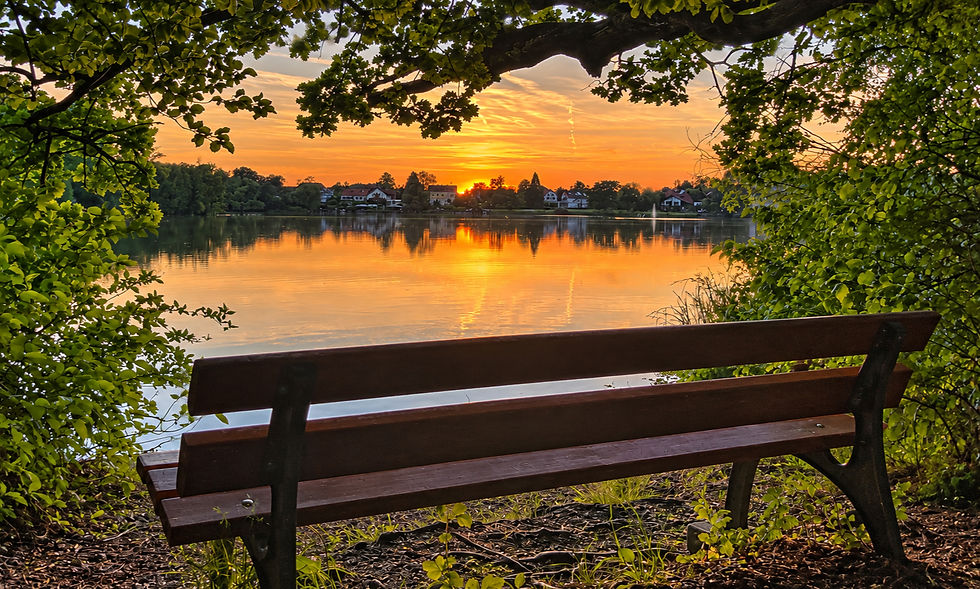
Nature is teaching me to listen differently. It speaks through color, breeze, birdsong, and stillness. It reminds us that communication doesn’t always come from the mouth.
So here’s a gentle experiment for your next social gathering:
Try listening to understand.
Take a breath before responding.
Let a pause be a pause.
Ask one curious question. (“What was that like for you?”)
Be present with your whole body. Soften. Notice. Stay.
Do you talk too much? Do you drift when others speak? It’s okay—we all do.
But maybe we could all try showing up with two ears… and just one mouth.


Comments